The United States can set a course to net-zero carbon by midcentury if it can radically overhaul its energy generation, transport, building and industrial sectors over the next decade, according to a major study from Princeton University. And while the pathways to reach this goal entail large-scale shifts to renewable energy, electric vehicles and electric heating, or to alternative fuels and carbon-capture technologies, the costs of doing so are only slightly higher than projected “business-as-usual” investments in energy infrastructure and could yield major value in economic growth and human health.

Tuesday’s report comes as President-elect Joe Biden is pressing for a major shift in federal energy and climate policy, including a $2 trillion clean energy and infrastructure spending plan that faces the likelihood of strong opposition from Republicans in Congress. The Princeton study highlights the need for this kind of massive policy shift.
Its comprehensive modeling of the country’s future energy pathways for decarbonization indicates that $2.5 trillion in additional investments will be needed over the next decade, on top of an estimated $9.4 trillion the country would be expected to invest in energy over the next decade under a “business-as-usual” pathway.
But that massive investment would only equate to roughly $300 billion in additional energy costs over that time, or about a 3 percent increase compared to a pathway that failed to take on “concerted decarbonization efforts.”
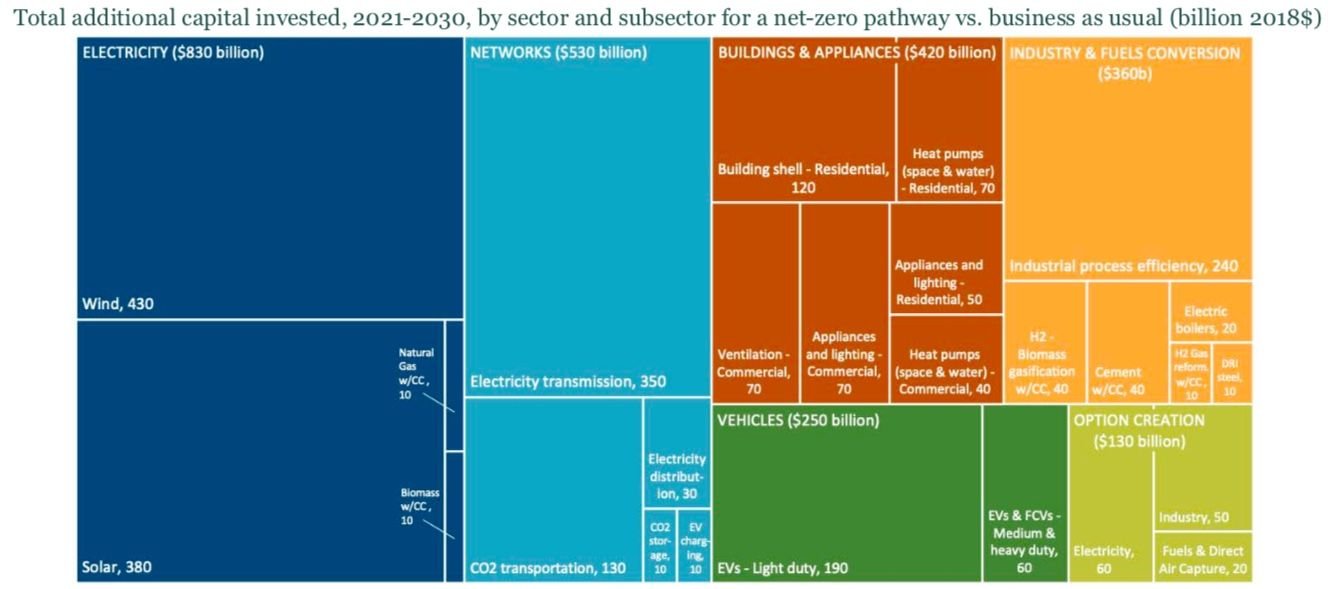
“Net-zero pathways require spending a similar fraction of GDP that we spend on energy today, but we have to immediately shift investments toward new clean infrastructure instead of existing systems,” said Jesse Jenkins, a Princeton engineering professor at the Andlinger Center for Energy and the Environment and one of the lead authors of the study, in a Tuesday statement.
At the same time, the investments the study envisions could add half a million to 1 million new jobs over the next decade compared to its business-as-usual reference case. These investments could also reduce air pollution to levels that could prevent between 200,000 and 300,000 premature deaths over the next 30 years, avoiding $2 trillion to $3 trillion in economic losses.
“Since getting to net-zero looks affordable,” Jenkins said, “the next key question is, if we are going to do this, how do we want to do it?”
Five pathways to zero carbon
The report lays out five alternative pathways to reaching its targets, ranging from those that rely on a complete shift to renewable energy and electrifying transport and buildings, to those that rely more on nuclear power, carbon capture and storage, or biomass to decarbonize.
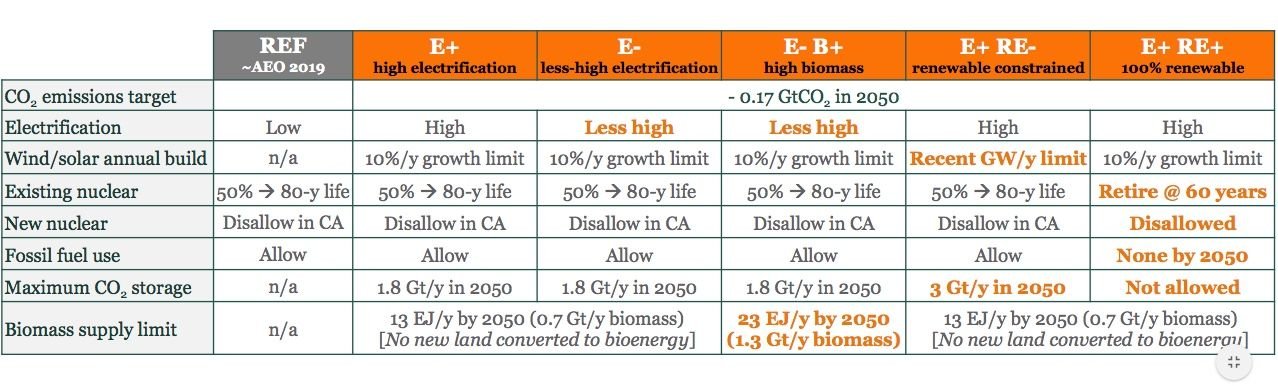
No matter which pathway ends up being pursued, all require major investments in clean electricity and electrification over the next several years, according to the study’s research team, which involved 10 Princeton researchers and eight outside collaborators. All of the pathways also envision shuttering all coal-fired power plants in the country by decade’s end, something only some of the country’s utilities have committed to doing.
Solar and wind power are already cheaper than electricity generated by coal- and natural-gas-fired power plants, according to the International Energy Agency. In the U.S., renewables supplied more energy than coal for the first time last year, and solar power is set to be cheaper than natural-gas-fired power in almost every major global market by 2023, according to Wood Mackenzie.
But the record-setting pace of solar and wind power additions to the U.S. grid will need to accelerate over the next decade, reaching hundreds of gigawatts per year. That intermittent power will require between 50 to 180 gigawatts of batteries with storage capacity durations of six hours, more than today’s standard lithium-ion battery installations.
To transport that power to where it’s needed, the existing U.S. transmission network will need to grow by 60 percent by 2030 and as much as triple in size by 2050, which equates to doubling the existing transmission twice over in the next 30 years, Jenkins said.
The “high-electrification” and “all-renewables” pathways in the report would put this renewable energy to work in shifting vehicles and building heating from fossil fuels to electricity. That would mean expanding the electric vehicle fleet from less than 1 percent of all vehicles today to 17 percent of light-duty vehicles by 2030 and 96 percent by 2050. It would also depend on shifting 130 million homes from natural gas or oil heating to electric heat pumps.
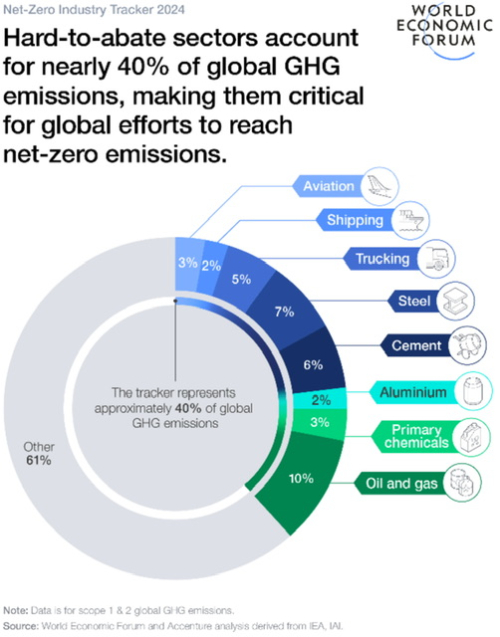
High-electrification scenarios also rely on a drastic expansion of green hydrogen created via renewable-powered electrolysis to replace fossil fuels in hard-to-decarbonize sectors such as cement and steel production and aviation, shipping and long-haul transportation.
Achieving zero-carbon by 2050 can still be possible if renewable energy can’t be scaled up beyond historical rates of deployment, the study found. But those “limited-renewables” pathways would rely on building new nuclear power plants, as well as deploying carbon capture and storage for existing fossil fuel power plants. Another alternative would rely on converting significant swaths of agricultural land to grow crops to be converted to biofuels.
These conclusions may come under scrutiny from decarbonization proponents who question how much fossil fuel use can coexist with achieving such aggressive goals. The Princeton study was partially funded by oil companies BP and ExxonMobil.
“Everyone will benefit from limiting climate change, but the different scenarios do have uneven effects as they play out,” Jenkins said. Disruption to the fossil fuel industry could harm states dependent on them for jobs such as Louisiana and West Virginia, although policies to site new manufacturing centers and energy project developments could reduce those impacts.
“Who benefits more, and who pays more? Can we do it equitably...so that enough people see clear benefits that there is an enduring coalition of support?” said Jenkins.