The Inflation Reduction Act will spur growth in clean energy and upgrades to grid infrastructure, but workforce shortages and supply chain constraints are likely to challenge power companies for at least the next year or more.
As I look forward to the year ahead and contemplate what’s driving change in the power industry, the music and lyrics from the old O’Jays song keeps popping up in my head, that is, “money, money, money, mon-ey … mon-ey.” One of the key places I see money for power projects coming from is the U.S. government, specifically, through the Inflation Reduction Act (IRA).
“The Inflation Reduction Act will rapidly accelerate the decarbonization of the energy sector,” Michelle Fay, a partner in the Energy, Sustainability, and Infrastructure segment of Guidehouse, told POWER. “We expect it will accelerate the deployment of clean energy and adoption of EVs [electric vehicles] while driving newer technologies, like hydrogen, down the cost curve.”
“The IRA has removed ambiguity in terms of tax credits from solar, wind, and BESS [battery energy storage system] projects through at least 2032,” said Sarp Ozkan, vice president of Commercial Product with Enverus. “Many contracts are being reworked to account for the increased tax credits as well, which are only temporarily delaying projects to adapt to more favorable terms. The multipliers like domestic content and labor are certainly problematic to some, but the incentives are such that it is worth pursuing diligently.
“Adders like the energy communities are also interesting as the 10% bumps to credits make some areas that were previously out of the money interesting to look at (brownfield opportunities in lower tier solar or wind resource areas for example). The ability to sell tax credits for cash will also make those who don’t have access to tax equity markets more likely to be able to get projects done, although we are expecting the market to price these credits at well less than 100 cents on the dollar,” he added.
Beneficiaries of Spending
Yet, power companies may not experience all of the IRA benefits directly. “Inflation Reduction Act funding is available to customers more so than energy companies,” Paul DeCotis, senior partner for West Monroe’s Energy and Utilities practice, told POWER. “Many energy companies are considering ways to help customers access IRA funding in efforts to support their own decarbonization goals and the clean energy goals of states. Certainly, the IRA funding being made available for investment in clean energy, alternative energy technologies, and clean fuel vehicles can be a game changer.”
Still, Fay suggested there were plenty of ways for utilities to benefit from the IRA. “Energy providers with existing power plants will have an opportunity to extend the life of these plants, reducing stranded asset risk. It provides greater certainty around the cost of hydrogen and creates an opportunity for using hydrogen in place of natural gas. It also provides an opportunity for utility companies to work with state agencies administering energy efficiency incentives. This collaboration will maximize the value of utility-provided energy efficiency, demand response, and electrification programs for customers,” she said.
“The Inflation Reduction Act will also increase utility competition as the clean energy space ecosystem becomes more crowded,” said Fay. “Companies with less constrained business models represent a growing threat to the traditional utility. Utilities will need to become even more nimble to retain their customer base and react to innovative business models from non-utility players.”
Constrained by the Existing Grid
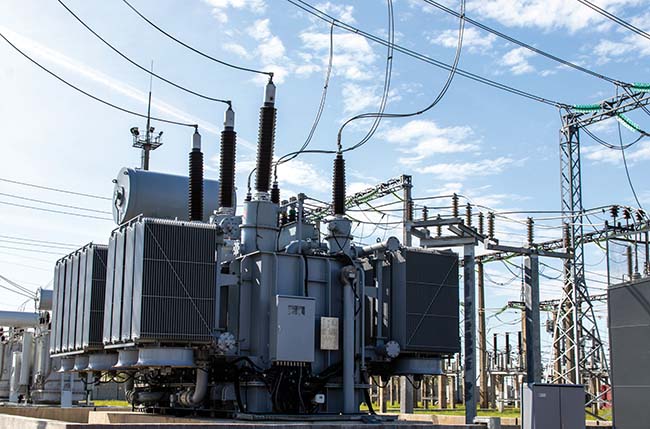
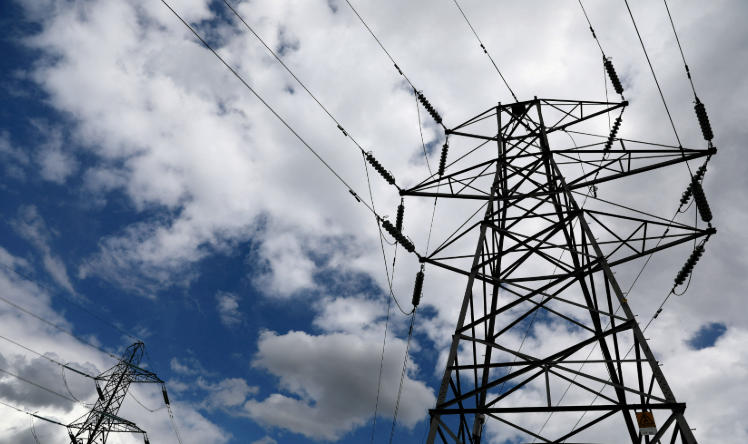
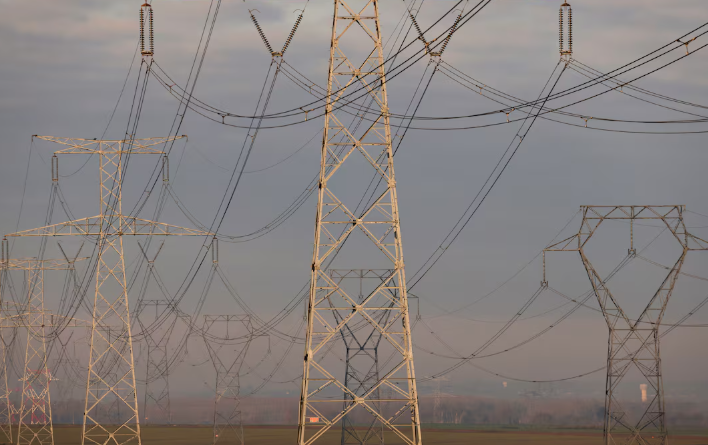
Dhirender Mishra, a senior manager within the Growth Advisory team at Aranca, suggested the move toward clean energy would require upgrades to power grids (Figure 1). “One of the key areas where the U.S. government is focusing on is decarbonization,” he told POWER. “A lot of priority has been shifted from conventional power generation to new clean power generation sources, especially renewable—when I talk about renewable, it covers both wind as well as solar.” Mishra noted the importance of grid modernization in this effort, but he said it’s taking a lot of time and money. Still, he suggested having a modern grid is necessary to move power from remote rural areas to large urban load centers.
1. Power grids around the world are in need of upgrades. Yet, delivery of transformers and other major equipment has been hampered by supply chain issues. Source: Shutterstock
While a lot of work is being planned, much of it may ultimately be canceled. Ozkan said the queues “are bloated with projects that are likely to never go through. In fact, 70% of the queue never gets built, and we don’t expect this statistic to get much better,” he said.
Nonetheless, Ozkan said the continuing growth of renewable generation in the mix is causing significant changes to the flow and pricing of power. And, he said, BESS projects are having a significant impact on the system. “Given its ability to shift power from trough to peak load times and serve ancillaries, [BESSs] will significantly impact ancillary service prices downwards and introduce some additional flexibility to the system as a whole,” Ozkan said. “All of this build out will also continue to impact the frail grids we have around the U.S. negatively, leading to a need to upgrade transmission lines and build in the necessary redundancy to support a reliable grid despite the growing intermittency of its generation mix.”
Power industry experts from Solomon Associates have also noticed how grid constraints are impacting reliability across various U.S. domestic and international markets. “Just as more coal units are retired, nuclear and combined cycle plants are also retiring,” Tony Carrino, director of Power & Utilities with Solomon Associates, told POWER. “The fossil-fueled, firm capacity units that remain in service have been managing for several years with reduced margins driven down by low variable cost renewable feed-in and years of low natural gas prices. During that time, spending cuts on firm capacity units went to the ‘bleeding edge’ and began cutting into ‘reliability muscle,’ ” he said.
Reliability is not as high as it used to be for many firm capacity generating units, Carrino said. However, he noted that combined cycle plants have fared better, because spending under long-term service agreements has continued, even if many deals have been renegotiated to shift costs in an effort to match variable operations costs.
Infrastructure Projects Vital to System
When asked what type of projects were most important today to prepare for the future, Ozkan said the answer was easy—transmission. “The grid needs to be given some love,” he said. “We are building intermittent resources and BESS on an aging grid meant to be operating on dispatchable thermal assets. If we want to avoid reliability issues in the future, we need to invest in transmission. It is a shame that the IRA did not do anything for the transmission space. We think it is key to the success of the future grid’s stability.”
“Utility investment in infrastructure and technology to maintain and improve safety, reliability, and resiliency are and will remain key,” DeCotis said. “This is their regulatory compact. This includes grid two-way communications and power flow equipment, customer end-use technologies like demand response, geothermal heat pumps, fuel cells, nuclear power, renewable and distributed energy resources [DERs], and the operations software, technologies, and platforms to improve operational efficiencies. The challenge will differ for utilities that are allowed to own generation and distributed energy resources and those that cannot.”
“Infrastructure programs specifically designed to address and mitigate cyber and resiliency risks will become increasingly important,” Fay said. “We will also see continued investment in technology and customer-focused programs that support the anticipated growth of electrification. These may include non-wire alternatives, EV charging programs, and others, often combined with creative pricing structures to manage and incentivize customers to support the management of this increased load on the system. In addition, we will continue to see investments in DER and clean technologies that support decarbonization initiatives.”
Fossil-Fueled Generation Endures in a World of Renewables
Solomon Associates’ experts believe future electric power grids will be supported primarily by natural gas–fired combined cycle plants and simple cycle plants for low-carbon firm capacity (especially cogeneration plants), by solar plants, and by hydroelectric plants. Yet, as small modular reactors become more common, future grids will further be supported by nuclear plants as carbon-free firm capacity.
Carrino predicts cogeneration assets will be the “last fossil plants standing,” because they have the highest thermal efficiency, the lowest emissions per MWh equivalent produced, and have a firm capacity that can be used to support industrial production plants and district heating in metropolitan regions. Coal-fired units will continue to come under pressure for retirement, he said, even if slowed somewhat by recent or lingering energy shortages.
Energy shortages are not the only thing supporting fossil-fueled generation, however; government subsidies are assisting as well. In a report issued by BloombergNEF and Bloomberg Philanthropies in November 2022, it says the 19 individual country members of the G-20 provided $693 billion in fossil-fuel support in 2021. “This quite substantial sum distorted prices, encouraged potentially wasteful use and production of fossil fuels, and resulted in investment in long-lived, emission-intensive equipment and infrastructure,” the report says. Furthermore, it says the figures “are probably under-counts, given the limited transparency governments tend to provide in this area.”
The current membership of the G-20 are Argentina, Australia, Brazil, Canada, China, France, Germany, Japan, India, Indonesia, Italy, Mexico, Russia, South Africa, Saudi Arabia, South Korea, Turkey, the UK, the U.S., and the European Union (EU). G-20 members account for about 80% of the gross domestic product of the world, 75% of global trade, and 60% of the population.
“Governments continue to subsidize fossil fuels—undermining the pledges they’ve made, harming public health, and shrinking our chances of avoiding the worst impacts of climate change,” Michael R. Bloomberg, United Nations Secretary-General’s Special Envoy on Climate Ambition and Solutions, and founder of Bloomberg LP and Bloomberg Philanthropies, said in a statement issued with the report. “We need to dramatically speed up the shift to clean energy and away from coal and other fossil fuels,” he added.
While G-20 governments have announced a range of seemingly more ambitious commitments to phase out fossil-fuel subsidies, Victoria Cuming, head of global policy at BloombergNEF and lead author of the report, said they haven’t been delivering on their promises. “They always seem to include imprecise language and caveats, giving governments wiggle room to interpret these pledges as they wish,” she said.
Climate Risks Create Opportunities
Many observers considered the United Nations climate summit (COP27), held in November 2022, in Sharm el-Sheikh, Egypt, to be a missed opportunity because the event ended without calling for a “phase-down” of oil, gas, and coal. But some leaders who were there, suggested progress was made.
“This COP was about implementation, implementation, implementation—nobody arrived at COP27 thinking we’ve got another five or 10 years and we need to come up with a plan. Everyone I met was focused entirely on making action happen on the ground, which includes deploying carbon capture, utilization, and storage [CCUS, Figure 2] solutions to tackle industrial emissions. We had some incredibly constructive conversations with policymakers, industrial companies, and investors—all of us coming together to agree the critical steps to scaling CCUS, kickstarting new projects, and delivering industrial decarbonization,” Aniruddha Sharma, CEO of Carbon Clean, said in a statement issued to POWER.
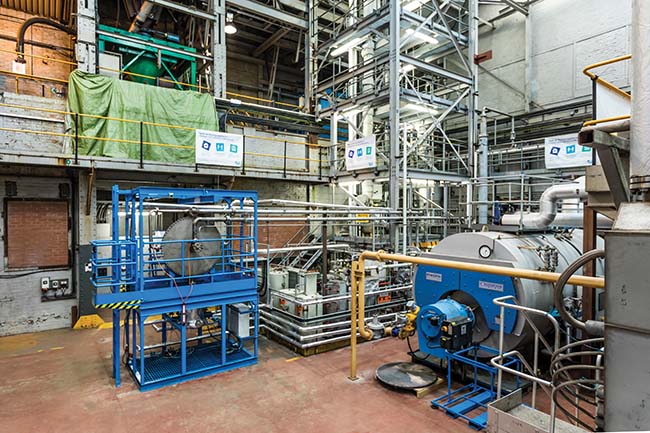
2. Carbon Clean’s revolutionary technology, CycloneCC, is a pre-fabricated and skid-mounted carbon capture solution that solves the two biggest barriers to the widespread deployment of CCUS—cost and space. It reduces the overall cost of carbon capture by up to 50% and has a footprint that is up to 50% smaller than conventional carbon capture units. Courtesy: Carbon Clean
Fay said Guidehouse anticipates a continued and increased focus on decarbonization of the energy system, including electrification, and increased penetration and integration of DERs, solar and EVs in particular. “We’re seeing climate risks become a reality, with more frequent and more extreme weather events,” she said. “These extreme weather events combined with the aging infrastructure and increased adoption of DERs present reliability and cybersecurity risks. On the opportunity side, these increased volumes of data and continued digitization of the grid present an opportunity to leverage data and information for analytics and more informed, real-time decision-making. Additionally, the anticipated influx of funding through the bipartisan infrastructure law combined with incentives in the Inflation Reduction Act provide the financial mechanisms to enable the investments required to address these risks. Finally, we’re anticipating large energy customers will more actively leverage hydrogen and other renewables to meet increasingly aggressive net-zero goals.”
Yet, Carrino believes there are challenges ahead for renewables, specifically wind. “The growth in wind will be slowed for several reasons: technical issues associated with rapid upscaling of the turbines, law of diminishing returns as the highest wind resource locations are becoming overcrowded, as well as having to spread the technology to lower wind resource locations after the best resource locations have been taken,” he said. “Wind farms have the highest probability of cannibalizing previously built projects. Limitations due to the slow build-out of new high-voltage transmission lines will continue to be a challenge. Projects continue to be built, mainly renewable plants, faster than high-voltage transmission can be approved and built to relieve the new constraints.”
Furthermore, renewable energy sources are not without costs and impacts to the environment. “There are existing problems that have been identified and quantified in terms of material sourcing, transportation, waste, and other potential effects that still need to be identified and quantified in terms of how various emerging technologies and substitution technologies are influencing our climate, weather, and overall sustainability on our planet,” Carrino told POWER.
Workforce Shortages
Workforce issues seem to be front and center for many power companies. “Unfortunately, it is a part of the new normal,” Ozkan said. He suggested there would be further difficulties ahead, as labor-related tax credits and multipliers become sought after following passage of the IRA.
Fay agreed. “Between the aging workforce and the rapid scaling of new technology, finding qualified personnel to meet labor demands has become the new norm,” she said. “We’re seeing the need for new skills to support the installation and adoption of new technology (heat pumps, solar, vehicle charging, etc.) to address the trends above. This requires more proactive workforce planning and development, including training and transitioning of workers with the skills that will be required now and in the future. Just as the industry is transforming, the workforce must be transforming along with it. The traditional methods of hiring and training no longer meet our needs, and the industry must take advantage of this opportunity to hire, train, and engage a more diverse and talented workforce.”
“We have seen that when a plant’s original staff contingent hits retirement age, the lack of adequate knowledge transfer can leave knowledge gaps,” Carrino noted. He expects the gaps to continue for some time unless companies are proactively implementing solid training and knowledge transfer programs. “Power companies partnering with regional colleges and technical schools have been more successful generating interest with potential recruits and maintaining a steady stream of talent,” he said.
DeCotis, meanwhile, sees other reasons for optimism. “With monetary policy tightening by the Federal Reserve and other leading central banks, the economy and inflation is abating, and layoffs are increasing. While the energy industry is relatively stable, highly skilled labor is beginning to hit the market, so I suspect any shortages of qualified people for the industry will be short-lived,” he said.
Supply Chain Issues Expected to Continue
The experts seemed more aligned when supply chain issues were mentioned. Most believe problems are likely to endure. “These difficulties will continue through at least 2023,” Ozkan predicted. “Some IRA incentives are pushing domestic content, but the capacity isn’t there and won’t be there overnight. Furthermore, the anti-dumping/circumvention tariffs have only been suspended but we are not out of the woods yet. Without access to the massive Chinese and other far-east markets, the demand for panels and other materials will fall well short of the ambition we have of furthering the energy transition.”
Guidehouse also anticipates supply chain issues to continue, at least in the near term. “With the increased demands for equipment, EVs, renewable technology, etc., the gap between what is needed and what is available is widening. While the enactment of the Defense Production Act in June alleviates some of these challenges, it isn’t enough to turn the corner in the near term,” said Fay.
“Historically, there have been long lead times for large utility infrastructure technologies and equipment, and the pandemic intensified the situation with supply chain disruptions,” said DeCotis. To counter the problem, industry leaders have been placing orders sooner, looking for new and more secure suppliers, and aggregating buying power. “While these efforts will help, large capital projects will continue to face long lead times and the industry will adapt to them as it has in the past,” DeCotis concluded.