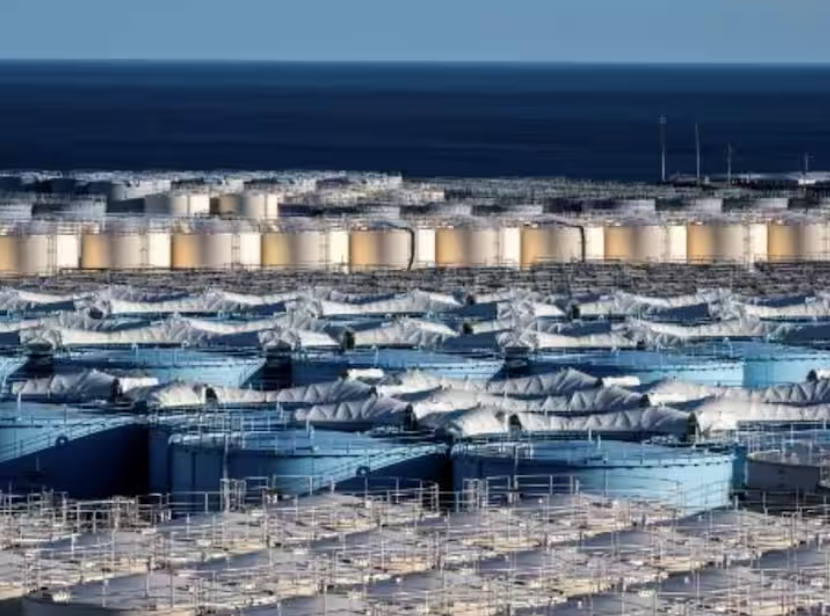
According to a study published in 2003, a substantial part of the world's radioactive contamination is in the marine environment. This picture shows storage tanks for contaminated water at the Tokyo Electric Power Company's Fukushima Daiichi nuclear power plant. ( Image Source : AFP )
Japan has announced that it will release more than a million tonnes of water from the wrecked Fukushima Daiichi nuclear plant into the ocean in the next few months, a decision which has left local fishing communities and environmentalists concerned.
Japan's government made the announcement in January 2023, more than two years after the government approved the release of Fukushima's nuclear waste water, media reports said. Although the water will be treated to remove most radioactive materials, it will still contain tritium, a naturally occurring radioactive form of hydrogen that is technically difficult to separate from water, a report by The Guardian said.
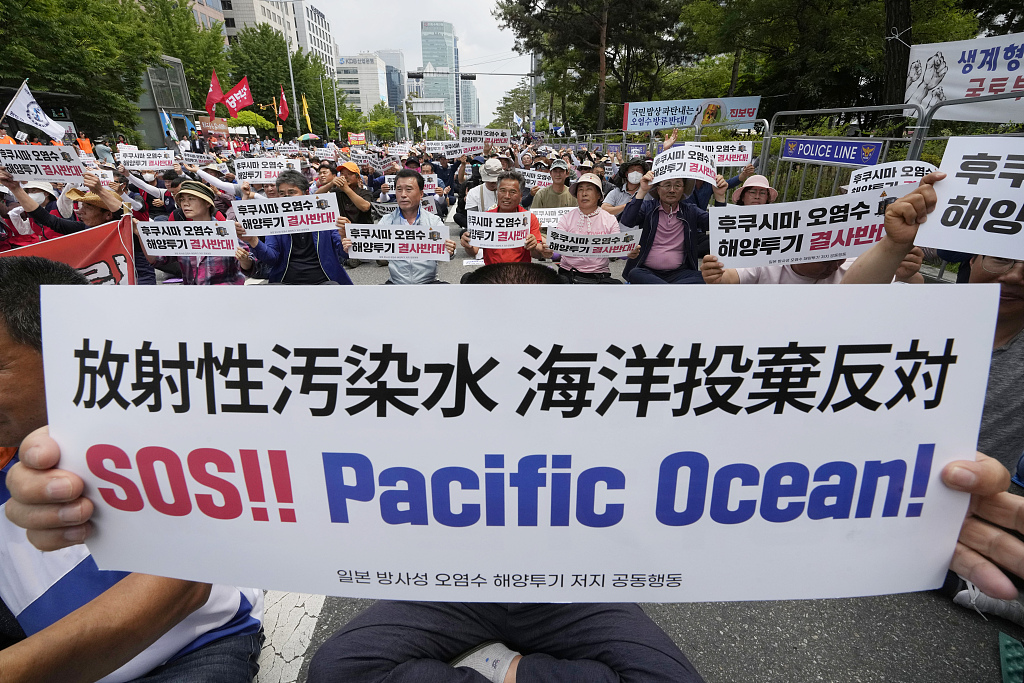
Despite the fact that Japanese officials insist that the "treated" water will not pose a threat to human health or the marine environment, fishermen are opposing the decision because they say the release of nuclear waste water can destroy their livelihoods.
Why does Japan plan to release nuclear wastewater into the Pacific?
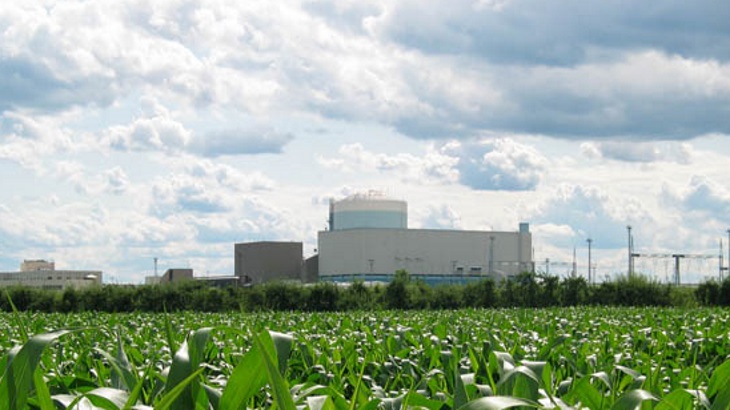
The 2011 Tōhoku earthquake resulted in a massive tsunami which struck Fukushima Daiichi, knocked out its backup electricity supply, and triggered meltdowns in three of its reactors. This was the most serious nuclear accident since Chernobyl in 1986, and released large quantities of radiation into the atmosphere.
The water which Japan's government is planning to release into the ocean has been used to cool reactors damaged by the Tōhoku tsunami. The release of the wastewater in Fukushima, which is being stored in more than 1,000 tanks, can severely affect the environment and human health.
Officials say that the wastewater needs to be removed so that the plant can be decommissioned. This process is expected to take 30 to 40 years. In July 2022, Japan's foreign ministry said the water will be gradually discharged into the Pacific Ocean after being treated and diluted, using a treatment technology called Alps, which can remove all radioactive materials from water except tritium.
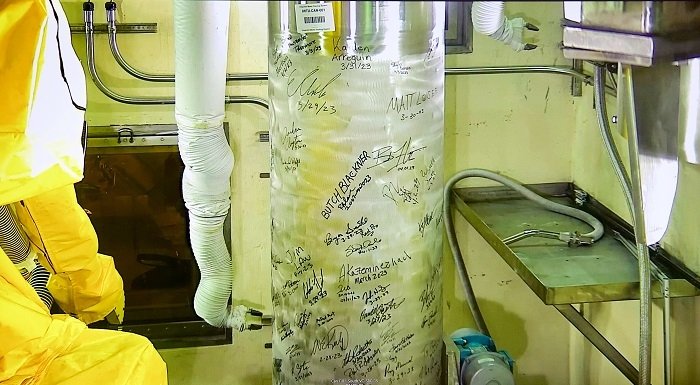
The system filters out 62 types of radioactive substances. According to DW News, Kenichi Takahara, a risk communicator at the Tokyo Electric Power Company, said one section of the filtering system removes caesium, another section removes strontium, and other sections remove other radionuclides. After this, the water filtered through the whole system is free of almost all the nuclides apart from tritium.
According to TEPCO, water containing tritium is similar to normal seawater.
Exposure to tritium in large quantities can cause cancer. However, current studies have not found tritium to cause adverse health impacts when it is present in a small amount.
However, the ocean disposal of radioactive waste can damage marine resources, according to the International Atomic Energy Agency (IAEA).
History of nuclear waste disposal into seas
The first sea dumping operation took place at a site in the North East Pacific Ocean, about 80 kilometres off the coast of California. Variable amounts of packaged low-level radioactive waste have been dumped at more than 50 sites in the northern part of the Atlantic and Pacific Oceans.
Low levels of radioactive waste have been discharged into the Irish Sea, the English Channel, and the Arctic Ocean, since 1952. In order to prevent leakage of radioactive material on the ocean floor, radioactive material needs to be isolated and encased in glass and concrete before being disposed of into the ocean.
The wastes into the Irish Sea, the English Channel, and the Arctic Ocean, Kara Sea and Barents Sea were disposed of by a British nuclear fuels plant, a French nuclear reprocessing plant, and the Soviets, respectively.
Nuclear Energy Agency
From 1950 to 1960, dumping operations were performed under the control of national authorities, or of the "Multilateral Consultation and Surveillance Mechanism" of the member countries of the Nuclear Energy Agency of the Organisation for Economic Cooperation and Development (NEA/OECD), according to IAEA. These wastes included nuclear fission and activation products such as strontium-90m, caesium-137, cobalt-58, cobalt-60, iron-55, iodine-125, carbon-14 and tritium.
In 1977, the NEA set up a Coordinated Research and Environmental Surveillance Programme (CRESP) for the NWA dumping site, and since then, the North East Atlantic site has been surveyed on a yearly basis. From time to time, a radiological survey of the Pacific and North West Atlantic Ocean sites is carried out.
While most samples of seawater, sediments and deep sea organisms collected at different sites have not shown any excess levels of radionuclides, certain samples taken close to packages at the dumping site have shown higher levels of caesium and plutonium.
According to the IAEA, the main objective of radioactive waste disposal is to isolate radioactive waste from man's surrounding environment for a period of time long enough so that any subsequent release of radionuclides from the dumping site will not result in unacceptable radiological risks, even in the long-term.
The potential dispersion of radionuclides in the world's oceans was originally seen as offering a large dilution sink ensuring low concentrations rates in the marine environment. However, this practice has raised questions concerning the possible damage to the marine resources. Countries which do not share the benefits of nuclear energy expressed these concerns.
In 1958, the concerns were expressed in Article 48 of the Law of the Sea. It recommended "that every State shall take measures to prevent pollution of the seas from the dumping of radioactive waste, taking into account any standard and regulation which may be formulated by the competent international organizations".
In 1957, the IAEA held its first meeting to design methodologies to assess the safety of "radioactive waste disposal into the sea", and since then, the agency has provided guidance and recommendations for ensuring that the disposal of radioactive wastes into the sea will not result in unacceptable hazards to human health and marine organisms, damage to amenities or interference with other legitimate uses of the sea.
The London Convention
In 1975, the Convention for the Prevention of Marine Pollution by Dumping of Wastes and Other Matter, also known as the London Dumping Convention (LDC), came into force. Since then, the dumping of waste into the ocean has been regulated on a global scale. The LDC prohibits the dumping of high-level radioactive waste (HLW) and requires that low-level radioactive waste (LLW) be dumped only after a special permit has been issued.
How nuclear waste can harm marine environments
The disposal of radioactive wastes from various industrial activities has resulted in the introduction of several chemicals to the marine environment, some of which have been identified as carcinogens for humans.
Radiation can enter food chain through plankton
According to the Young People's Trust For The Environment, a British charity founded in 1982 to encourage young people's understanding of the environment, radiation can enter the food chain through plankton and kelp and then contaminated fish. Researchers have already detected radioactive caesium and plutonium in seas and porpoises in the Irish Sea.
The 2011 Tōhoku earthquake and tsunami caused major damage to the Fukushima Daiichi nuclear plant, causing thousands of tons of radioactive water to be released into the Pacific Ocean.
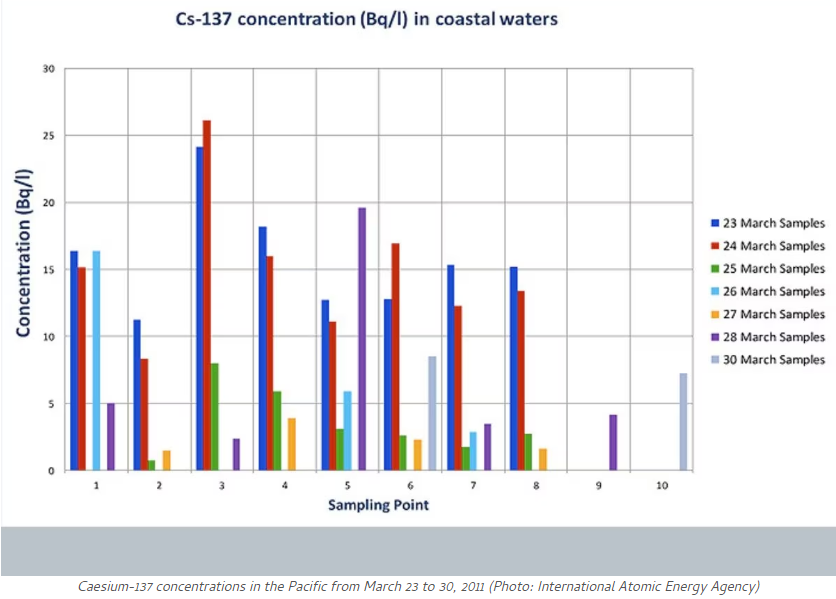
According to the Yale School of Environment, signs of spreading radioactive material have been found off Japan, including the discovery of elevated concentrations of radioactive caesium and iodine in small fish several dozen kilometres south of Fukushima and high levels of radioactivity in seawater 40 kilometres offshore.
In 2011, a survey conducted by the IAEA found high concentrations of caesium-137 in seawater 10 to 30 kilometres off the Japanese coast, from March 23 to March 30.
Phytoplankton can absorb short-lived as well as longer-lived radioactive elements
According to experts both short-lived radioactive elements, such as iodine-131, and longer-lived elements, such as caesium-137, with a half-life of 30 years, can be a absorbed by phytoplankton, zooplankton, kelp and other marine life, and then be transmitted up the food chain, to fish, marine mammals, and humans.
According to Yale University, other radioactive elements, including plutonium, which has been detected outside the Fukushima plant, also pose a threat to marine life. Therefore, a temporary fishing ban was imposed off the northeastern Japanese coast in 2011 following the Tōhoku earthquake and tsunami to avert any danger to human health until the flow of radioactive water into the sea could be stopped.
Atmospheric fallout from the damaged reactors also contaminated the ocean as prevailing winds carried radioactivity out over the Pacific.
According to TEPCO, seawater containing radioactive iodine-131 at five million times the legal limit was detected near the plant, in 2011.
Radioactive materials travels with ocean currents, is deposited in the marine sediment
According to studies from previous releases of nuclear material in the Irish, Kara and Barent Seas, and the Pacific Ocean, radioactive material does travel with ocean currents, is deposited in marine sediment, and does climb the marine food web.
Concentration of radioactive caesium and plutonium in seals and porpoises in Irish Sea
The British Nuclear Fuels plant at Sellafield in the northwestern United Kingdom released radioactive material into the Irish Sea over many decades, beginning in the 1950s. According to studies conducted on marine life in the Irish Sea, radioactive caesium and plutonium concentrated significantly in seals and porpoises that ate contaminated fish.
Radioactive material from Sellafield and from the nuclear reprocessing plant at Cap de la Hague in France have been transported to the North Atlantic and Arctic Oceans.
Substantial part of world’s radioactive contamination is in marine environments
According to a study published in 2003, a substantial part of the world's radioactive contamination is in the marine environment.
In the early 1990s, events such as the die-off of seals in the Barents Sea and White Sea from blood cancer, and the deaths of millions of starfish, shellfish, seals and porpoises in the White Sea, were attributed by Russian scientists to pollution or nuclear contamination.
If the nuclear waste from the Fukushima plant is released into the Pacific Ocean, the manner in which the residual radioactive materials, such as tritium, will behave in the ocean will depend on the chemical properties and reactivity of those materials.
When radionuclides are in soluble form, they behave differently than if absorbed into particles. For instance soluble iodine disperses more rapidly. If a radionuclide reacts with other molecules or gets deposited on existing particulates, such as bits of minerals, they can be suspended in the water, or drop to the sea floor.
What happens if radioactive iodine is taken up by marine organisms?
According to Yale University, if iodine-131 is taken up by seaweed or plankton, it can be transferred to fish, which are in turn eaten by larger fish. Molluscs can ingest radionuclides, and fish can take in radionuclides in the seas through their hills.
The thyroid gland in humans and marine mammals takes up radioactive iodine. In the case of fish, radioactive iodine is taken up by the thyroid tissues and is also readily absorbed by seaweed and kelp.
Radioactive caesium uptake by marine organisms
Meanwhile, caesium acts like potassium and is taken up by muscle.
According to Yale University, caesium tends to stay in solution and can eventually end up in marine sediment where, because of its long half-life, it will persist for years.
Since marine organisms use potassium, they can also take up caesium.
Radiation can cause death or genetic damage to marine life
The mechanisms that determine how an animal takes in radiation are the same for fish as they are for humans, according to Tom Hei from Columbia University. Once radiation is inside the body, whether inhaled or absorbed through gills or other organs, it can make its way into the bloodstream, lungs and bony structures, potentially causing death, cancer or genetic damage.
According to Yale University, larger animals tend to be more sensitive to radiation than smaller ones, and how the radiation accumulates depends on the degree of exposure, which is defined by dose and duration, and the half-life of the element. Small fish, molluscs and crustaceans, as well as plankton and phytoplankton, can absorb radiation.
Depending on the chemical form of radiation and what organisms have taken it up, radiation can also concentrate when it moves through the food chain. According to a 1999 study, seals and porpoises in the Irish Sea concentrated radioactive caesium by a factor of 300 relative to its concentration in seawater, and a factor of three to four compared to the fish they ate.
Reputation of produce from Pacific may suffer following release of nuclear wastes
According to DW News, a Japanese fisherman called Masahiro Ishibashi said fishing communities are worried that the reputation of their produce may suffer more damage if Japan's government releases millions of tonnes of nuclear wastewater into the Pacific.
Genetic material can be exposed to ionising radiation
According to DW News, Robert Richmond, a marine biologist in Hawaii, said if one ingests something with a beta emitter like a tuna or an oyster that has radionuclides in it, the organism's internal cells will have no protection. Therefore, the organism's DNA and RNA will be exposed to ionising radiation.
According to DW News, Jim Smith, a nuclear expert, said tritium has a very weak radioactive emission. He said he believes that storing nuclear waste is a more dangerous option than releasing it.
Release of nuclear waste will affect everyone in the Pacific
Richmond said the release of nuclear waste will not affect just Japan, but everyone in the Pacific. He explained that the majority of the Pacific Islands own far more areas of the ocean than land, and the ocean is a source of their food, is of ecological value, and also a cultural value.
Despite regional opposition, Japan says it will begin the release in the coming months, and continue the process for the next 30 to 40 years.
Steps taken to reduce the impact of radioactive wastes on marine environment
While radioactivity levels reduce over time, they can take any amount of time from two weeks to five hundred thousand years or more before reaching a safe level. Therefore, it is important to keep radioactive waste disposal safe from terrorism and natural disasters.
The LDC, on several occasions, has requested the IAEA to develop an inventory of radioactive wastes entering the marine environment from all sources. The IAEA, to date, maintains a computerised database with information on the date, location, depth, quantity, weight, and type of containers, as well as the quantities of dumped radionuclides.
The inventory serves as an information base which can provide more accurate data for assessing the impact of radioactive waste dumping operations in the sea, and acts as a deterrent against disposal of more waste coming from various sources than recommended in a single oceanic basin.
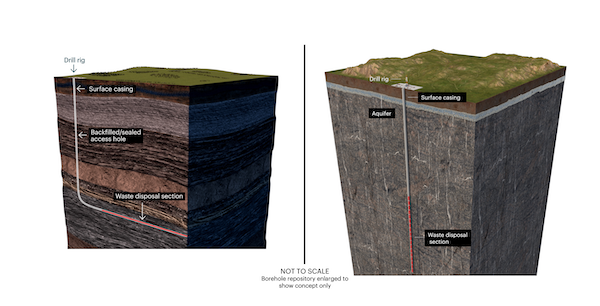
Since the deep seafloor is one of the most stable and predictable geologic formations on Earth, it has been considered as a potential alternative solution to deep geological disposal of HLW on land. According to the IAEA, if a seabed disposal option was selected, packaged HLW could be embedded in the sediment using penetrators or drilling techniques, and the packages would contain the wastes for 500 to 1,000 years after emplacement. Moreover, barrier properties of the sediment could provide long-term containment for tens of thousands of years.
In 1988, the NEA/OECD Seabed Working Group concluded that sub-seabed burial of HLW was technically feasible, but also stated that its long-term safety assessment required further research to reduce the uncertainties.
While the practice of dumping radioactive waste into the oceans disappeared in the early 1990s, materials containing minimal levels of radioactivity are still allowed and regulated. However, the rules for dumping this type of materials into the seas have become stricter following the adoption of an IAEA methodology aimed at protecting not only humans, but also the marine environment.
From October 12 to 16, 2015, representatives of 87 countries agreed to set more specific thresholds on materials for dumping in the seas, at the 37th annual gathering of countries which are parties to the London Convention.
The concept, called de minimis, aims to protect marine flora and fauna. It only allows dumping at the seas of materials that are non-radioactive or cause such negligible impact to humans and marine organisms that it is of no regulatory concern.
IAEA experts decided on a radioactivity dose that all marine animals could tolerate, in order to establish the maximum acceptable concentration of radioactivity based on the species' level of tolerance.