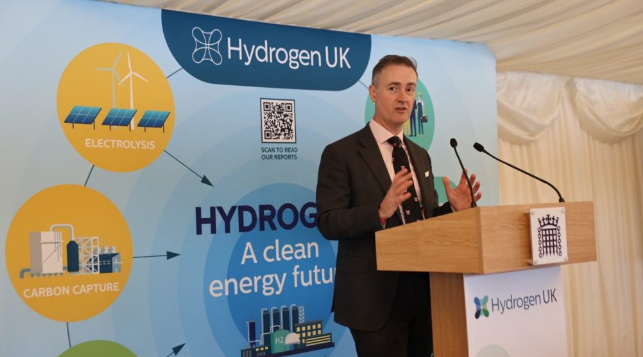
Following a meeting with United States defence officials in London on Monday, where various support measures for critical minerals were discussed, McDonald confirmed that a price floor is not part of Britain's present approach.
"We're doing most of them but we're not doing all of them, and a price floor is one of them that's currently not on our list. But maybe I'll keep an eye on how that goes," he said.
"Ultimately for me it's about can we attract this investment, and at the moment we are attracting the investment."
The government considers existing policies sufficient to draw private capital into the sector and is successfully advancing domestic supply-chain development. Officials will continue to review international practices and may consider additional tools if circumstances change.
Last month the UK published its Critical Minerals Strategy, which includes targets to source 10 percent of national demand from domestic mining and 20 percent from recycling by 2035. The plan is supported by up to £50 million in funding and prioritises lithium, nickel, tungsten, and rare earth elements.
At present, the country meets approximately 6 percent of its critical mineral requirements from local production. New lithium refining facilities in northern England are expected to start construction in the coming years, with a goal of producing at least 50,000 metric tons annually by 2035.
Strategic stockpiling of selected critical minerals will also be incorporated into future defence procurement frameworks to enhance supply security.
The strategy aims to build resilient and diversified sources of these essential materials through a combination of domestic development, recycling, and responsible international partnerships, while maintaining an attractive environment for commercial investment.