The International Energy Agency’s (IEA) new energy technologies report calls for more attention to decarbonization of the transport, buildings and industry sectors.
The Energy Technology Perspectives 2020, released today, reports that the global energy system must rapidly reduce its greenhouse gas emissions to meet climate targets. Emissions currently remain at unsustainably high levels. However, transformation of the power system alone would only get the world one-third of the way to net zero emissions.
The transport, buildings and industry sectors account for about 55% of carbon emissions from the energy system today. Much greater use of electricity in these sectors – for example for powering electric vehicles (EVs), recycling metals and heating buildings – can make the single largest contribution to reaching net zero emissions, according to the report.
The rapid growth of wind, solar and EVs has shown the potential of new clean energy technologies to bring down emissions, the report notes. Net zero emissions will require these technologies to be deployed on a far greater scale, together with the development and massive rollout of other clean energy solutions that are currently at an earlier stage of development.
“Several recent developments give us grounds for increasing optimism about the world’s ability to accelerate clean energy transitions and reach its energy and climate goals. Still, major issues remain,” comments IEA Executive Director Dr Fatih Birol.
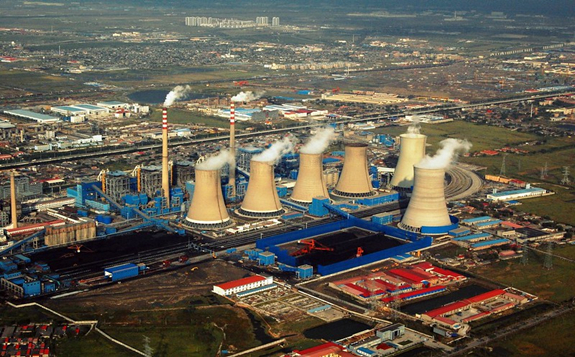
Issues the report aims to address include the many existing energy assets that are still young, particularly in Asia. For example, around 45% of installed fossil-fuelled power generation capacity in Southeast Asia was built within the last 10 years and 70% within the last 20 years. Much of the infrastructure for the production of steel, cement and chemicals is also relatively young, particularly in China.
Clean energy technologies
The report identifies four clean technology value chains as key to decarbonization, alongside energy efficiency and renewables. These are technologies to electrify end-use sectors such as advanced batteries; carbon capture, utilization and storage (CCUS); hydrogen and hydrogen-related fuels; and bioenergy. Together they could contribute about half of the cumulative carbon savings up to 2070 – the timeline to achieve net zero carbon under the IEA’s Sustainable Development Scenario.
CCUS technologies can reduce the emissions of fossil-fired plants in power generation and industry, provide negative emissions, and in the longer term produce carbon-neutral CO2 to produce fuels. The scenario has bioenergy with carbon capture and direct air capture in combination with storage producing 5mb/d of clean aviation fuels, around 40% of the projected demand, by 2070.
Global hydrogen production grows by a factor of seven to 520Mt in the scenario. Hydrogen use expands to all sectors and reaches a share of 13% in final energy demand in 2070. The development of technologies at the demonstration and prototype stage today leads to hydrogen and hydrogen-based fuels becoming important for the decarbonization of heavy trucks, aviation and shipping as well as for the production of chemicals and steel.
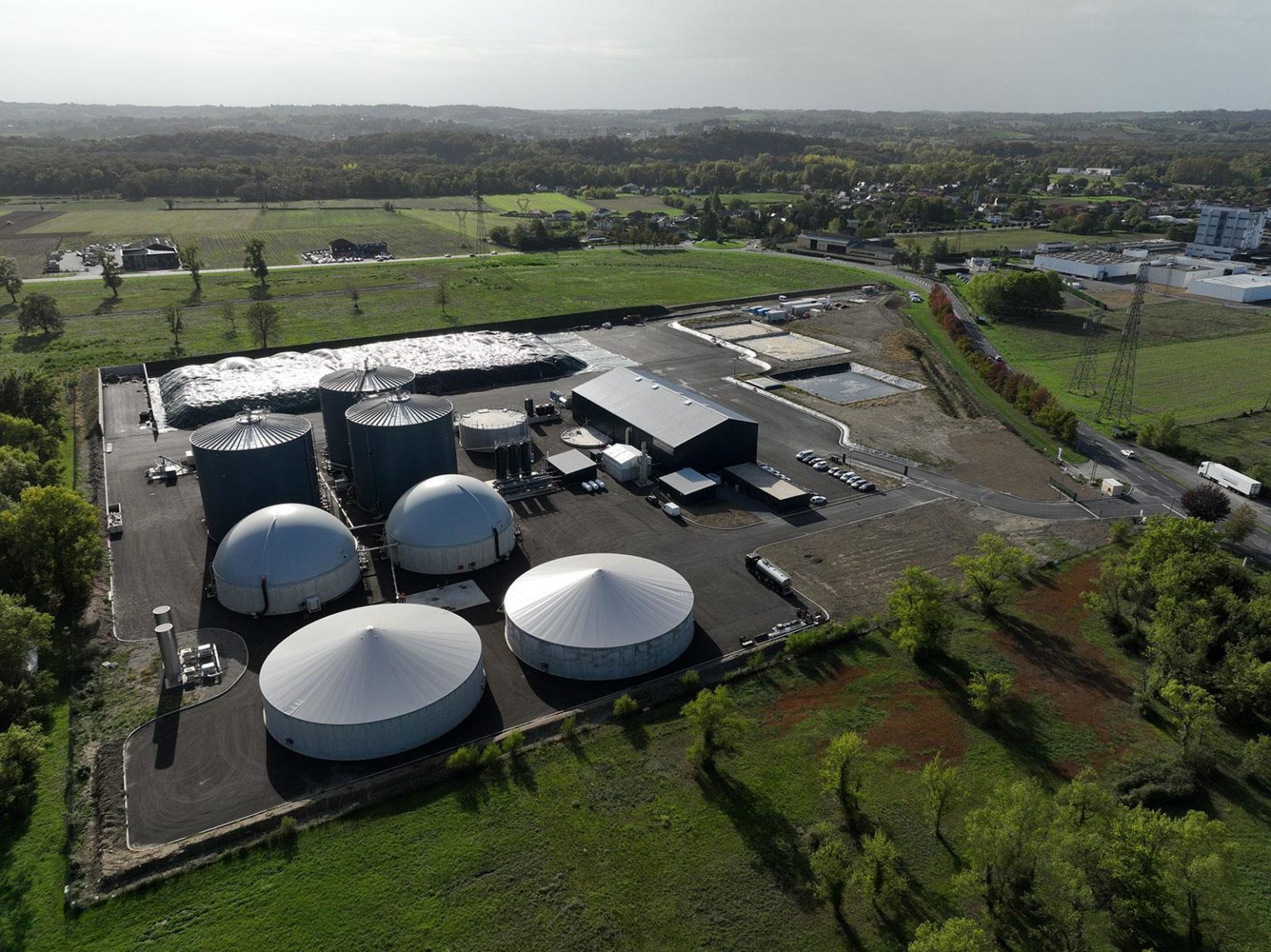
The share of sustainable biomass in primary energy demand doubles to 20% in 2070. It is used, frequently coupled with CCUS, to make transport biofuels and generate power and heat.
Low carbon investments
The report predicates achievement of net zero emission targets on “strong and targeted R&D and innovation efforts in critical technologies”. Almost 35% of the cumulative emissions reductions by 2070 in the Sustainable Development Scenario compared with that based on current and announced national policies (the IEA’s baseline Stated Policy Scenario) come from technologies currently at the prototype or demonstration phase. About 40% of the cumulative emissions reductions rely on technologies that have not yet been commercially deployed in mass-market applications.
The additional investment required to meet net zero carbon by 2070 is estimated by the IEA at $31 trillion, or 10%, higher than the Stated Policy Scenario. This investment in new technologies becomes increasingly important over time. In the 2060s, almost half of the total annual investment is spent on technologies that are in demonstration or prototype today.
Technology innovation
Innovation is required across the four value chains. In the low carbon electricity value chain, several technologies have reached maturity, such as hydropower and electric trains. However, while in end-use sectors technologies such as EVs and heat pumps are commercially available, further innovation is required to improve performance and reduce costs.
The use of CCUS as a decarbonization strategy hinges on the commercial availability of technologies at each stage of the process as well as on the development and expansion of carbon transport and storage networks. While carbon has been captured for decades in industrial processes, it has just commercially emerged or is still being demonstrated at a large scale in power generation and production applications. Similarly, there is relatively limited experience in operating geological carbon storage options at scale.
The value chain for low carbon hydrogen comprises many technologies, each at a different stage of maturity. The scaling up of deployment and capacities of water electrolysis is seen as critical to bring down hydrogen production costs. Technologies for transporting and distributing hydrogen will be critical for its wider deployment. However, large portions of the full potential demand for hydrogen will remain untapped until technologies are developed to use it in iron and steel and heavy duty transport.
Overall, the bioenergy value chain is on the threshold of achieving early commercialization. Many bioenergy conversion technologies, such as conventional biofuels and biomass-fired power plants, are at least at an early market adoption phase. Technologies related to road transport and to heating and cooking are similarly moving their way up the technology readiness ladder.
With this state of technology development, the potential of bioenergy as a near-term decarbonisation opportunity relative to other measures is underscored, the report notes.
Long term vision
The report concludes with a call to governments to develop long-term visions supported by clean energy transition strategies and actions tailored to local infrastructure and technology needs.
Five core policy areas are proposed: tackling emissions from existing assets; strengthening markets for technologies at an early stage of adoption; developing and upgrading infrastructure that enables technology deployment; boosting support for research, development and demonstration; and expanding international technology collaboration.