China is reshaping the global energy landscape, setting its sights on an ambitious transformation driven by renewable energy. In its latest move, on October 30, 2024, the Chinese government unveiled the Guiding Opinions on Vigorously Implementing the Renewable Energy Substitution Initiative (hereinafter the “new renewable energy plan”) to accelerate renewable energy consumption.
The new renewable energy plan, issued by the National Development and Reform Commission (NDRC) and five other agencies, targets to increase annual renewable energy consumption to:
1 billion tons of standard coal equivalent (SCE) by 2025—a 30 percent jump from 2023 levels; and
5 billion tons of SCE by 2030 –another 36 percent jump from the 2025 levels.
The new renewable energy plan marks a strategic shift from merely expanding renewable energy capacity to fostering systemic demand. By focusing on upgrading infrastructure, electrifying key industries, and promoting green technologies, China is laying the groundwork for its next phase of economic transformation.
For businesses and investors, the implications are profound. Opportunities abound in grid modernization, industrial electrification, green hydrogen production, and the burgeoning electric vehicle (EV) and sustainable aviation sectors. As China doubles down on its renewable energy ambitions, those ready to align with this vision stand to benefit significantly in a rapidly evolving market.
This article explores the key policy changes, their economic significance, and the business opportunities they unlock for both domestic and international stakeholders.
How China plan to make the renewable energy more consumtable?
China is actively working to enhance the consumption of renewable energy through a multifaceted approach, combining supply enhancement, infrastructure development, demand management, and system regulation. This strategy not only aims to increase the share of renewables in the energy mix but also seeks to create a more integrated and efficient energy system overall.
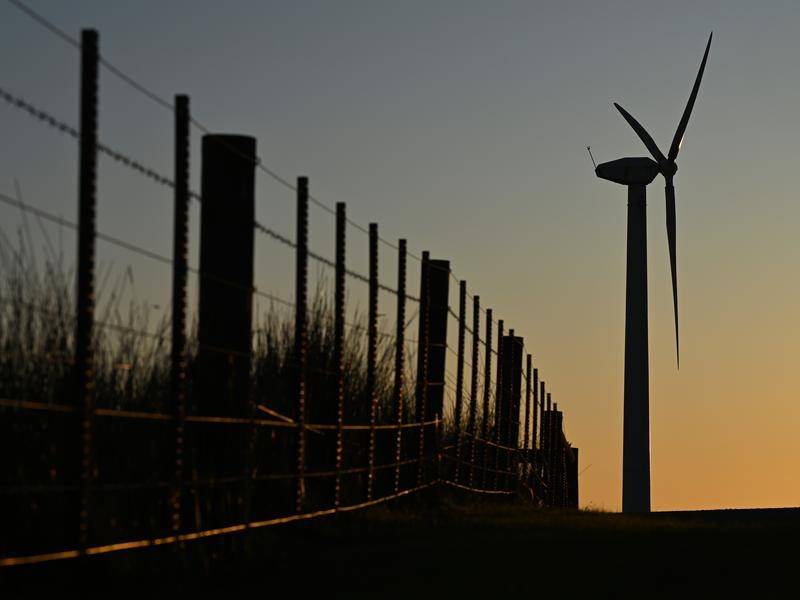
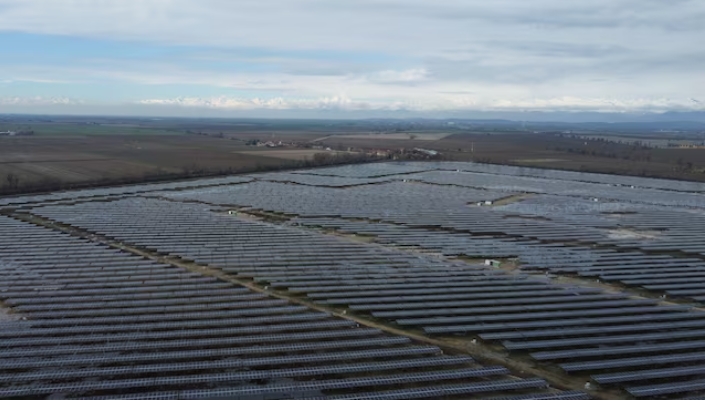
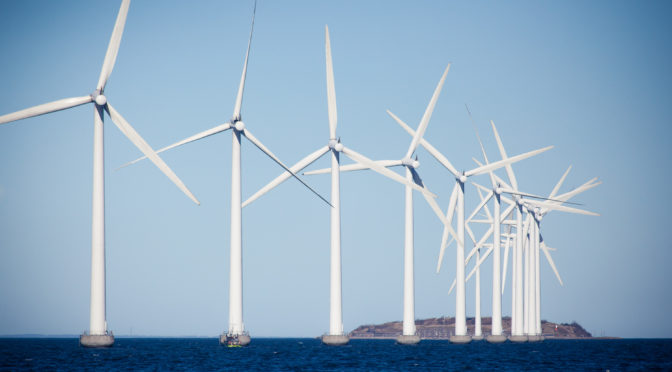
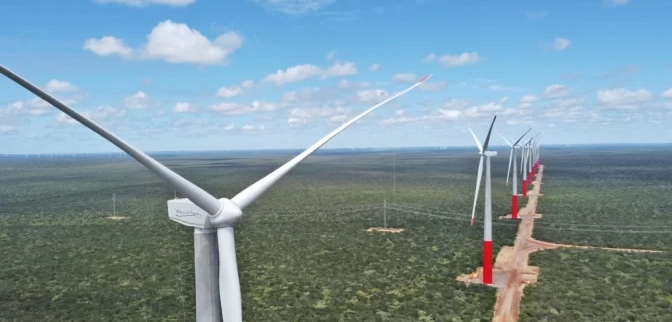
First of all, the country plans to significantly increase its renewable energy supply by developing large-scale wind and solar power bases, particularly in desert and arid regions, while also focusing on offshore wind farms and integrating hydropower with wind and solar energy. Additionally, China aims to promote distributed renewable energy development and scale up biomass and solar thermal power generation. To support these initiatives, advanced technologies for resource assessment, power forecasting, and smart control will be implemented.
Infrastructure development is another key aspect of China’s strategy. The construction of advanced power infrastructure, including flexible DC transmission and smart grids, is prioritized to facilitate better integration of renewable energy sources. Upgrading the main power grid and enhancing cross-regional transmission channels will optimize energy distribution, while improvements to distribution networks will increase flexibility and capacity, supporting the rapid growth of distributed renewable energy.
On the demand side, China plans to expand the range of participants in demand response programs, encouraging them to engage in the electricity market. Strategies such as peak pricing and market adjustments will guide consumer behavior towards more efficient energy use, particularly in key sectors like industry, buildings, and transportation.
Finally, improving system regulation is crucial for enhancing overall energy stability. This includes upgrading coal power plants for flexibility, optimizing their scheduling, and investing in pumped storage hydropower and new energy storage technologies. Biomass projects will also be encouraged to provide ancillary services, contributing to a more resilient energy system. Through this comprehensive approach, China aims to create a more integrated and efficient renewable energy landscape.
Key focus areas of the new renewable energy plan
Sectoral integration of renewable energy is a core component of China’s new renewable energy plan, emphasizing the need for a holistic approach across multiple critical industries. In general, China plans to ccelerate the adoption of renewable energy in below aspects:
Industry: The new renewable energy plan emphasizes the transformation of industrial energy use by guiding industries such as steel, petrochemicals, and textiles to transition towards regions abundant in renewable resources. This includes promoting technologies like electric boilers and kilns, and developing integrated energy systems in industrial parks to facilitate the direct supply of green electricity. The initiative also encourages the use of low-carbon hydrogen in sectors like ammonia and methanol production, while phasing out coal-fired boilers in favor of cleaner alternatives.
Transportation: The new renewable energy plan aims to create renewable energy corridors and establish multifunctional charging stations at key transport hubs. It promotes the electrification of public transport and the development of electric heavy-duty vehicles, alongside initiatives for sustainable aviation fuels and electric maritime vessels.
Buildings: The new renewable energy plan integrates renewable energy into urban planning, mandating that new constructions meet green building standards. It encourages the installation of solar panels on rooftops and the electrification of public buildings, while promoting energy-efficient appliances and heating systems.
Agriculture and rural areas: Renewable energy solutions like distributed wind and solar power will be deployed to modernize energy infrastructure in rural regions, decreasing dependence on coal and other non-renewable sources.
New infrastructures: The new renewable energy plan emphasizes the integration of new infrastructure with renewable energy development. This includes enhancing charging and refueling stations, optimizing the layout of new infrastructure, and leveraging advanced technologies like AI and IoT to deepen the integration of renewable energy systems. In particular, the plan support the construction of data centers in national hub nodes with cold water resources, gradual green technology upgrades for old base stations and small, scattered data centers, and a steady annual increase in the proportion of renewable energy used in newly built data centers.
What are the meausures to support the renewable energay consumption?
The new renewable energy plan also details China’s strategy and measures to support renewable energy consumption through innovative pilots, enhanced legal and regulatory framwork, and interanational collaborations:
Innovation and pilot projects: To test and scale renewable energy applications, pilot projects focusing on emerging technologies, such as floating offshore wind farms and green hydrogen production, are encouraged. These efforts will drive innovation and help refine scalable models for clean energy substitution.
Regulatory and financial support: The new renewable energy plan outlines the creation of legal frameworks and financial mechanisms to encourage investment in renewable energy. This includes developing green energy certificates and enhancing fiscal policies that support infrastructure upgrades and the adoption of clean energy technologies.
Market mechanisms and pricing: The new renewable energy plan stipulates that China plans to deepen market reforms for renewable energy pricing, establishing trading mechanisms that accommodate the unique characteristics of renewable energy. This includes facilitating direct transactions between renewable energy producers and consumers, as well as developing market mechanisms for renewable heating and biogas.
International collaboration: Expanding renewable energy cooperation with Belt and Road Initiative (BRI) countries is emphasized, aiming to promote the global spread of Chinese green technologies and strengthen international trade in renewable energy solutions.
Public engagement and awareness: Public participation is critical. The guidelines highlight the importance of educating and engaging citizens in adopting renewable energy practices, fostering a broader cultural shift toward sustainability.
Economic outlook in China’s renewable energy sector
The renewable energy sector emerged as a transformative force in China’s economy, significantly shaping its investment landscape and growth trajectory. In 2023, the clean energy contributed an estimated RMB 11.4 trillion (US$1.6 trillion) to the economy, accounting for approximately 40 percent of GDP expansion. This underscores the sector’s central role in driving China’s economic performance amid challenges in traditional industries like real estate.
In 2023, there was a drastic surge in investment, with spending in clean energy rising by 40 percent year-on-year to reach RMB 6.3 trillion (US$890 billion), according to Carbon Brief’s analysis. This represented the entirety of China’s overall investment growth in 2023, compensating for declines in other areas.
Clean energy also accounted for a growing share of China’s GDP, rising from 7.2 percent in 2022 to 9.0 percent in 2023. Without this contribution, China’s GDP growth would have fallen significantly below the government’s target.
This resilience positions the renewable energy sector as not only a cornerstone of China’s energy transition but also a safeguard for its broader economic stability during periods of industrial adjustment.
These industries were pivotal in driving clean-energy investments, reflecting China’s focus on decarbonizing its economy through innovative policies and substantial infrastructure upgrades.
Solar power
Solar energy stood out as the largest contributor to China’s clean-energy growth in 2023, with its total value increasing by 63 percent year-on-year, from RMB 1.5 trillion (US$207.01 billion) in 2022 to RMB 2.5 trillion (US$345.03) in 2023. This remarkable expansion was fueled by a combination of central government initiatives such as the “whole-county distributed solar” program and the “clean energy base” strategy, which prioritized scaling up installations nationwide.
In response to a slowdown in the real estate sector, new policies were introduced in early 2023 to promote solar industry development on unused and existing construction land. By the end of the year, China added an estimated 200 gigawatts (GW) of solar capacity, more than doubling its 2022 record of 87GW. Meanwhile, 15 provinces included solar expansion in their annual government agendas, further bolstering growth.
China’s solar manufacturing sector also experienced robust growth, with 340GW of polysilicon production capacity and 300GW of wafer, cell, and module capacity added in 2023, according to the International Energy Agency (IEA). Solar exports were another key area of growth, particularly to regions like Southeast Asia, Africa, and countries involved in the Belt and Road Initiative. While export volumes surged, falling production costs meant export values saw only modest increases.
Energy storage
China is rapidly advancing its energy storage capabilities as part of its broader push to decarbonize its energy system and reduce reliance on fossil fuels. The country is scaling up electricity storage capacity to enhance grid stability, especially as it integrates increasing amounts of renewable energy sources like wind and solar. Energy storage is seen as a crucial solution for managing fluctuations in electricity supply and demand, enabling a transition from coal and gas-fired power plants to cleaner, more sustainable energy sources.
One of the most significant drivers of China’s energy storage expansion is pumped hydro storage, a technology that allows excess electricity to be stored and used later to meet peak demand. In 2023, pumped hydro storage capacity under construction grew substantially, rising to 167 GW, up from 120 GW in 2022. An additional 250 GW is in the pre-construction phase, indicating that this expansion is set to continue in the coming years. The rapid growth in this sector has been driven by the need to store the increasing amounts of intermittent renewable energy being generated, such as solar and wind.
For 2023, it is estimated that investment in pumped hydro storage reached RMB 300 billion (US$41.40 billion), with spending assumed to be proportional to the construction of new capacity. This level of investment reflects the large-scale infrastructure required for such storage projects, which are integral to China’s strategy of transitioning to a cleaner and more resilient energy grid.
Alongside pumped hydro storage, China is also making significant strides in battery storage technologies, which are increasingly being used to store electricity generated from renewable sources. Battery manufacturing investment reached 300 billion yuan in 2023, driven by the expansion of production capacity to meet the rising demand for energy storage solutions. The China Automotive Power Battery Industry Innovation Alliance has reported that additional investments are necessary to build the infrastructure for manufacturing the batteries required for both EVs and grid storage applications.
EVs
China’s EV sector experienced remarkable expansion in 2023, with 9.6 million EVs produced, marking a 36 percent increase from the previous year. This surge reflects the growing share of new energy vehicles (NEVs)—which include battery-electric vehicles and plug-in hybrids—accounting for 32 percent of all vehicles produced in the country.
The bulk of these vehicles were sold domestically, with 9.5 million EVs sold in China, representing a 38 percent year-on-year growth. Notably, 8.3 million units were purchased by Chinese consumers, making up one-third of total vehicle sales in the country. Meanwhile, 1.2 million EVs were exported, a substantial 78 percent increase from 2022, further highlighting China’s growing influence in the global EV market.
Despite the end of government subsidies for EV purchases in 2022 (although, tax reduction exemption policies have been extended throughout 2023)—after over a decade of support—the market has remained resilient, driven by increasing consumer demand and industry competition. The shift from policy-driven incentives to market-driven demand suggests that China’s EV growth is becoming more sustainable, with a stronger focus on long-term market dynamics.
China’s EV market remains highly competitive, with at least 94 domestic brands offering over 300 different models. Local manufacturers dominate the market, with BYD, Wuling, Chery, Changan, and GAC leading the way. These companies collectively account for 81 percent of total EV sales in the country, reinforcing the strong domestic production base.
To sustain this growth, China has significantly invested in EV manufacturing. In 2023, estimated investments in EV production capacity reached RMB 1.2 trillion (US$165.59 billion), a considerable increase from RMB 700 billion yuan (US$96.60 billion) in 2021. This surge in investment is reflective of the country’s strategic shift toward electrification and away from traditional internal combustion engine vehicles.
The investment also extends to the expansion of battery manufacturing capacity, which supports the growing demand for EVs. These investments are crucial for meeting the needs of the burgeoning electric vehicle market and are reflected in the broader push toward infrastructure development.
Meanwhile, the rapid expansion of EV infrastructure has been essential for maintaining growth in this sector. In 2023, over 3 million new charging points were installed, contributing to a total of 8.6 million charging points by November 2023. This includes both public and private charging stations, with the largest concentration in China’s first-tier cities like Beijing, Shanghai, and Guangzhou, where more than 80 percent of urban areas were equipped with charging stations.
This infrastructure expansion has been critical in making EVs more accessible and practical for Chinese consumers. The continued development of charging networks is seen as vital to sustaining the sector’s growth and ensuring that EV adoption remains strong moving forward.
Policy agendas shaping China’s energy transition
China’s energy transition is deeply rooted in its policy framework, which balances economic growth, energy security, and environmental sustainability. Central to this transformation is the government’s commitment to achieving its “dual-carbon” targets: peaking carbon emissions before 2030 and reaching carbon neutrality by 2060. The “1+N” policy system, a cornerstone of this effort, provides overarching guidance alongside sector-specific action plans to promote decarbonization across energy, industry, and infrastructure. The emphasis lies on reducing fossil fuel dependency, fostering green technology, and enhancing energy efficiency to build a clean, low-carbon, and sustainable energy system.
Energy security remains a foundational priority, particularly in the face of rising electricity demand, climate-induced weather extremes, and geopolitical uncertainty. The 14th Five-Year Plan underscores coal as a “backstop of supply security,” reflecting a pragmatic approach to maintaining energy stability while transitioning to cleaner sources. Recent policies include capacity mechanisms for coal-fired power plants and financial incentives for renewable energy technologies like solar photovoltaics and wind. Nuclear energy is also gaining prominence as part of the diversified energy mix to ensure a steady transition without jeopardizing supply reliability.
China’s push for self-reliance is another critical driver of its energy agenda. The country has made significant strides in building domestic capabilities in cleantech industries, supported by long-term investments in R&D through initiatives like the 863 and 973 programs. These efforts have propelled China to the forefront of renewable energy technology, particularly in solar, wind, and battery production. However, the government is also addressing vulnerabilities in its supply chains, such as heavy reliance on imported critical minerals like nickel, cobalt, and copper. Policies encouraging domestic exploration and overseas mining investments aim to secure these essential resources for the energy transition.
Environmental protection and green development are embedded in China’s national strategy under the concept of “ecological civilization.” This philosophy integrates environmental goals with human and economic activities, emphasizing high-quality growth over sheer expansion. It has led to comprehensive measures, including pollution prevention plans and biodiversity conservation strategies. Recent initiatives, such as the “Beautiful China” campaign and enhanced carbon market mechanisms, further demonstrate the government’s commitment to aligning economic modernization with sustainability and global climate goals.
Together, these policies reflect a multifaceted approach that seeks to harmonize energy security, economic resilience, and environmental stewardship in China’s energy transition journey.
Implications for investment
The explosive growth of clean energy in China reflects its alignment with both domestic industrial policy and global energy trends. For international investors, this dynamic offers compelling opportunities in areas such as renewable energy infrastructure, EV supply chains, and green technologies. However, potential challenges, including overcapacity in certain industries and geopolitical tensions, necessitate strategic approaches to investment.
China’s evolving role as a hub for clean energy production also holds implications for global markets. As Chinese companies continue to dominate supply chains in solar, EVs, and batteries, other economies may need to recalibrate their own industrial strategies to remain competitive in the accelerating global shift toward renewable energy.