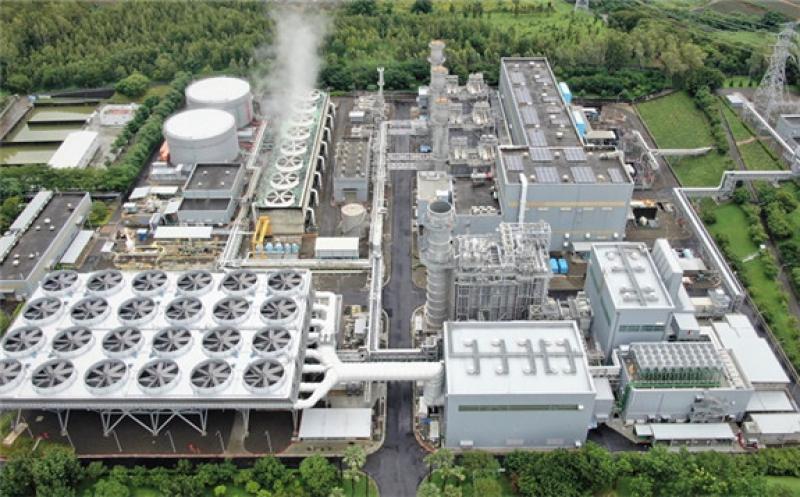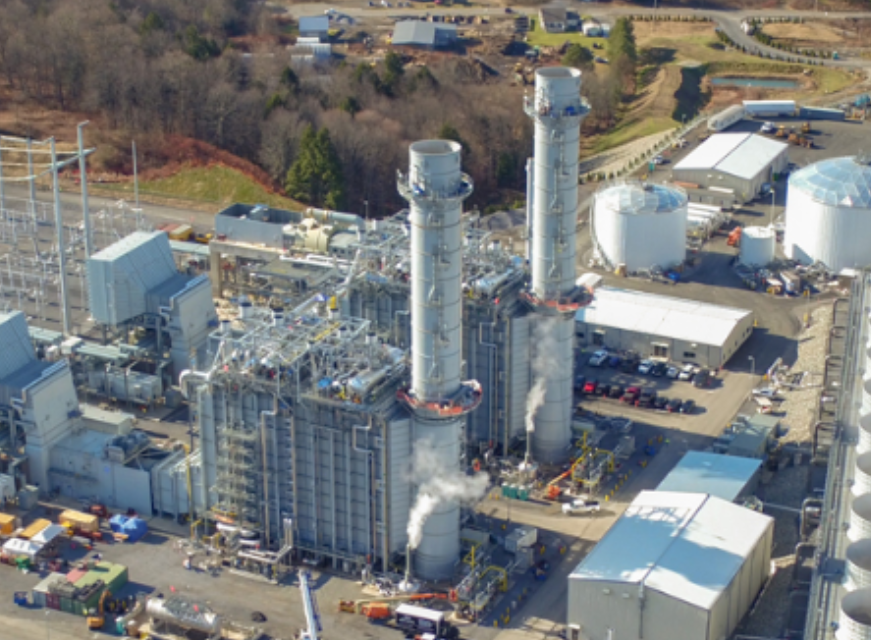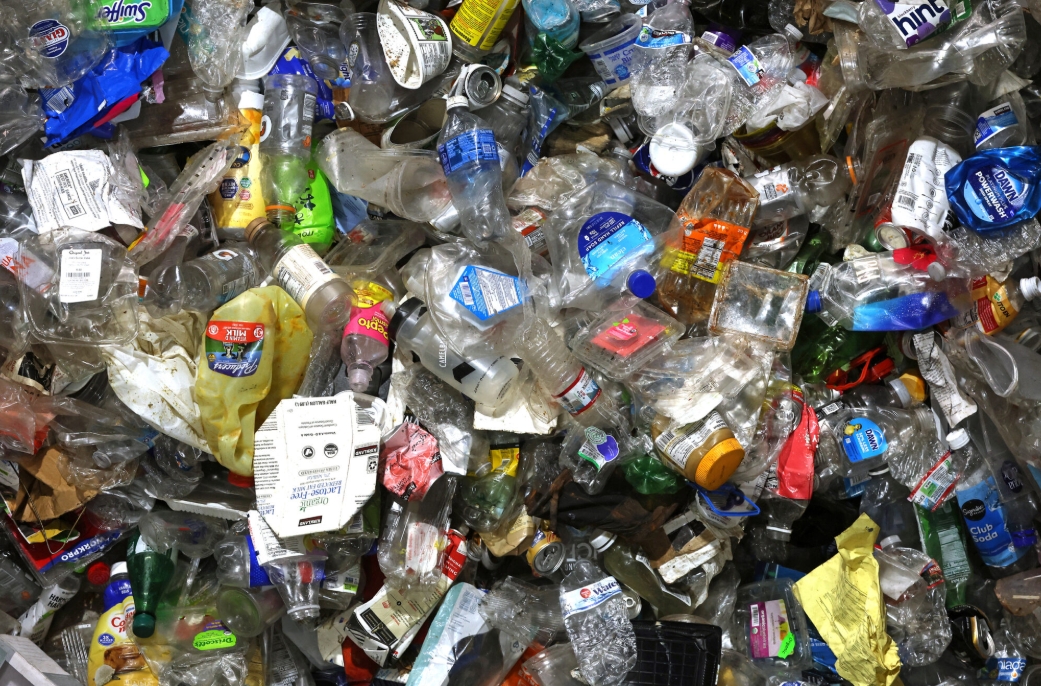
The Waste Energy plant would process plastics sourced from throughout the East Coast using pyrolysis, which breaks down materials at very high temperatures in the oxygen-free furnace.
None of it succeeded. Now, the firm with a troubled financial history has suddenly changed its plans to convert roughly 7,000 tons of plastic each year into ultra-low sulfur diesel fuel in a low-income neighborhood in Fayetteville where more than 70 percent of 731 residents in the census block group are minorities, and 38 percent are low-income, according to state data.
The facility would have been just 900 feet from Blounts Creek, a tributary to the Cape Fear River.
Waste Energy Corp. had intended to operate a furnace used in a high-temperature, no-oxygen process called pyrolysis there in an 18,000-square-foot warehouse near Sam Cameron Avenue and Cool Spring Street, converting the plastic waste to ultra-low sulfur diesel fuel.
However, Scott Gallagher, Waste Energy’s CEO, said Thursday it would no longer pursue pyrolysis at Cool Spring Street, but seek an alternative location in other parts of the city or in Cumberland County that are zoned heavy industrial. The company would have needed to obtain a special use permit from the city to operate the pyrolysis unit at Cool Spring Street.
The technology could also potentially release toxic PFAS into the air in a city already besieged by the toxic compounds.
The company had previously discussed the possibility of an alternate location, Gallagher said, and “after evaluating the response from the community and the other available options,” the company decided to accept and prepare the plastic feedstock at that location, but not operate the pyrolysis unit there.
“The machines will go in as scheduled but in a place that is acceptable to the city, the county and the community,” Gallagher said.
Community opposition was mounting against the proposal, Gallagher said, because of the proximity of homes near the facility. “We want to work with the community, not force it through.
“We made this decision internally because we felt it is in the best interest of all parties.”
If Waste Energy finds another location, Gallagher said it would process as much as 30 tons per day of plastics sourced from throughout the East Coast using pyrolysis, which breaks down materials at very high temperatures in the oxygen-free furnace.
Waste Energy announced Feb. 18 that it had received a first round of $175,000 in financing and would begin operating by June 1 “pending completion of the site buildout, permitting and compliance approvals.”
The company said it expects to generate between $1.5 million and $5 million in revenue during its first operating year.
The plant would be the company’s first in the United States and would employ 10 people, scaling up to 75 over the next three to five years, Gallagher said.
Rob Patton, executive vice president of the Fayetteville Cumberland Economic Development Corporation, announced in a press release earlier this month: “As a growing center of innovation, this is an excellent example of cutting-edge technology addressing a global need. We are proud to welcome Scott and Waste Energy Corp. to Fayetteville and Cumberland County.”
Patton confirmed to Inside Climate News Thursday that the company’s plans had changed. The Economic Development Corporation had provided Waste Energy with several recommended properties and contacts for local and state permitting, but the company independently chose the Cool Spring Street location. The company received no local financial incentives, Patton said.
“The company has repeatedly stated their commitment to operating in a manner that exceeds minimum performance standards and that they will not be utilizing or emitting PFAS as part of their process,” Patton said. “Waste Energy Corp. will need to demonstrate and maintain compliance in order to operate in our community. If successful, they can be a leader in addressing a significant waste problem that is burdening communities around the world.”
Others—including a partnership between the City of Houston and corporate partners that include ExxonMobil—have announced pyrolysis projects that have failed to successfully materialize.
Gallagher said the Fayetteville plant would help alleviate the glut of plastics entering landfills.
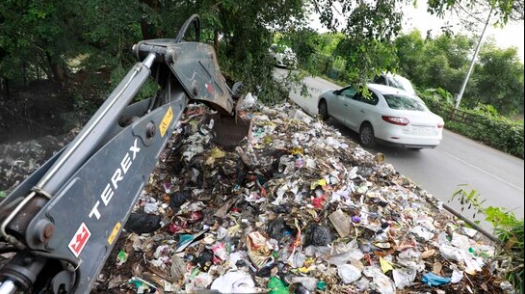
Plastics, the majority of which are derived from fossil fuels, are a global problem. Worldwide, 400 million tons of plastic are manufactured each year; only 9 percent is recycled. The rest ends up in landfills, is burned or is tossed on the roadsides and winds up in rivers and oceans. The material even breaks down into microplastics that harm aquatic life and human health.
In Fayetteville, the main byproduct of Waste Energy’s pyrolysis would be ultra-low sulfur diesel fuel, also a source of greenhouse gas emissions. The company could sell it to power-hungry data centers and crypto mining facilities for use in generators as backup power or a primary energy source in areas with an unreliable electric grid, Gallagher said.
Pyrolysis would also create synthesis gas—a mix of carbon monoxide and hydrogen—that could be used to power the plant, Gallagher said. Although the synthesis gas could allow the plant to use less electricity from the grid, the facility would still emit greenhouse gases and other pollutants related to fossil fuels.
Emissions estimates aren’t yet available because Waste Energy hasn’t filed an air permit application with the state Division of Air Quality.
Burning plastic is not a panacea. Environmental advocates say it perpetuates the use of plastics and fossil fuels. Researchers at the National Renewable Energy Laboratory found in April 2023 that pyrolysis and gasification of plastics into fuel is more expensive and environmentally impactful than fossil fuels and chemicals.
Most plastics also contain PFAS, which even conventional pyrolysis can’t destroy. There are 15,000 types of these compounds, also known as “forever chemicals” because they don’t degrade in the environment. Exposure to PFAS has been linked to kidney and testicular cancer, reproductive problems, low birth weight, high cholesterol, a depressed immune system and thyroid and liver disorders.
In the ocean, PFAS contribute to climate change by disrupting the ocean’s carbon cycle and increasing greenhouse gas emissions.
PFAS is a critical issue in Fayetteville, which is wedged between multiple sources of the compounds. To the north, industries and wastewater treatment plants discharge PFAS into the tributaries of the Cape Fear River, which has contaminated the city’s drinking water and that of other municipalities downstream, all the way to the Atlantic Ocean.
Twelve miles south lies the Chemours Fayetteville Works plant. For decades it has discharged GenX and other types of PFAS into the Cape Fear River, as well as emitted them into the air. The compounds floated on the wind, then mixed with rain, landed on the ground and contaminated more than 9,000 private drinking water wells, some as far as 18 miles from the plant.
The EPA lists pyrolysis as one method of destroying PFAS, but the temperature is crucial.
If the PFAS-containing plastics aren’t burned at extremely high temperatures, the compounds can be emitted into the air or be present in other residue.
Gallagher said the plant would use artificial intelligence to help identify, reduce and remove PFAS plastic from the feedstock before it enters the pyrolysis chamber. “Every piece of PFAS we touch will be eliminated either at our facility or an approved facility,” Gallagher said. “We are very confident in the technology.”
A veteran of the U.S. Army’s Special Forces, Mike Watters, has been an outspoken critic of Chemours and the government’s response to the PFAS crisis. He lives in Gray’s Creek in southern Cumberland County, a mile from the Chemours plant. Tests show his private well and vegetable garden have been contaminated with more than a dozen types of PFAS from the air.
Wind data from the Fayetteville Municipal Airport, four miles south of the original Waste Energy facility, show the dominant pattern for most of the year is toward the public water intake and the Cape Fear River.
“This is very unwise in my observation,” Watters said, referring to Waste Energy’s plans for using pyrolysis to convert plastic waste into diesel fuel.
Gavin MacRoberts, communications manager for Fayetteville Public Works Commission, the local water and wastewater utility, said it is “carefully evaluating the proposed plastics-to-diesel facility to determine whether any PFAS emissions could affect our Glenville and Hoffer intakes. “We will remain vigilant about the possibility of atmospheric deposition carrying combustion byproducts into the surrounding area by closely working with our partners in the NCDEQ.”
Marco J. Castaldi, a professor and chairman of the chemical engineering department at the City College of New York, cited peer-reviewed studies showing that at 900 degrees Fahrenheit, pyrolysis destroys about a quarter of the PFAS. At 1,200 degrees Fahrenheit the destruction rate is 85 to 89 percent.
The typical pyrolysis system operates at lower temperatures than required to destroy high rates of PFAS, Castaldi said.
The Fayetteville system will run at temperatures between 930 and 1,112 degrees Fahrenheit, Gallagher said. Based on previous studies, 25 to 75 percent of the PFAS would be destroyed.
“We will use an emission control system that is compliant with the stricter European standards to mitigate some of this risk,” Gallagher said. “We will also continuously monitor and test air emissions, solid residues, and liquid effluents for PFAS contamination in addition to implementing a robust feedstock monitoring system that reduces the amount of PFAS that can enter our system.”
A state Division of Air Quality spokesman said without documentation or more specifics about the pyrolysis unit, “we are unable to evaluate how effective the system is at thermal destruction of PFAS compounds.”
Donate NowMost of the PFAS that survived pyrolysis would be in the synthetic gas produced, and would then have to be processed or disposed of, Castaldi said. “The devil is in the details.”
The technology exists to remove nearly all PFAS in air emissions, but it can cost millions of dollars. As part of a court order, Chemours installed thermal oxidizers, operating at 2,000 degrees Fahrenheit, and scrubbers on its vented stacks to remove 99.9 percent of PFAS from air emissions.
The EPA has not established regulations for PFAS in the air. The N.C. Department of Environmental Quality and its counterparts in New Mexico and New Jersey petitioned the EPA last August to add four types of PFAS to the list of hazardous air pollutants and to develop standards for air emissions.
That has not occurred, and it is unlikely that the EPA will regulate PFAS under the Trump administration, which is slashing staff and rolling back environmental rules and protections more broadly.
Waste Energy Corp. would dispose of PFAS-contaminated byproducts in compliance with all EPA, city and state regulatory requirements, Gallagher said.
Yet of the 15,000 types of PFAS, the EPA has designated only two as hazardous materials: PFOA and PFOS.
The designation requires facilities that release certain amounts of the compounds to notify the National Response Center and to publicly disclose the releases. However, EPA guidance “does not require waste to be treated in any particular fashion, nor disposed of at any particular type of landfills.”
The company said it is confident there is enough domestic demand for ultra-low sulfur diesel fuel made from plastic, in addition to what’s produced at traditional refineries. The fuel “would help reduce domestic dependency on diesel imported from bad actors or countries that hate America,” Waste Energy’s website reads.
Last year the U.S. imported most of its ultra-low sulfur diesel from Canada, according to U.S. Energy Information Administration data, nearly four times more than all of the OPEC countries combined. Mexico ranked second in its exports to the U.S.
Imports of ultra-low sulfur diesel fuel increased 182 percent from 2016 to 2021, according to the U.S. Energy Information Administration. During and shortly after the pandemic, imports fell, but Gallagher said he expects the demand to rise.
“Our view is that for the foreseeable future, diesel fuel will continue to play an important role in the future growth in the U.S.,” Gallagher said, “especially while so many areas of the economy are undergoing generational changes in the energy requirements they will need now and into the future.”
Waste Energy is a publicly traded company based in California with an office in Wilmington, N.C. It has a director of operations for Fayetteville, Stacy Dixon, and three managers: Gallagher, chief financial officer Swapan Kakumanu, who previously worked at Fogdog Energy Solutions, and W. Scott McBride, who has a degree in environmental science and founded Energy FX, a company that specializes in pyrolysis and plastic waste.
Waste Energy was most recently known as MetaWorks Platforms, one of more than a dozen companies and subsidiaries created over the past 15 years. During that time, MetaWorks Platforms amassed total financial losses of nearly $50 million since it launched as Redstone Literary Agents in 2010, according to recent SEC filings.
Gallagher, who has been at the company only two and a half years, said those losses occurred under a different business model and management teams.
However, SEC filings in 2024 show the company generated no revenue for the first nine months of the year, which the company attributed to a change in business focus. The company’s management acknowledged the substantial doubt about the ability to continue, citing the need for additional financing to meet future obligations.
MetaWorks Platforms’ business model began to change last year, when it acquired select assets of Fogdog Energy Solutions, a Canadian company based in Calgary, Alberta.
In 2018, Fogdog had proposed diverting unsorted municipal trash from the landfill in Sylvan Lake, a small town in Alberta. It would have used a different method to convert the trash into carbon fluff to make fuel, according to a local newspaper, the Red Deer Advocate.
In May 2021, MetaWorks Platforms, then known as CurrencyWorks, loaned Fogdog $400,000, according to SEC filings. Fogdog was trying to build a pyrolysis system that could use waste to power a crypto mining platform owned by CurrencyWorks called Zer00.
A company announcement at the time said the trash would come from a municipality in Canada—Sylvan Lake. The fuel would have generated enough power to run 200 crypto mining machines, which CurrencyWorks planned to buy, according to the announcement.
In August 2021, CurrencyWorks loaned Fogdog an additional $800,000, debt that was erased with the acquisition of the select assets.
The next year the cryptocurrency market lost more than 75 percent of its value, Gallagher said, “and the economics of that business model changed significantly so the venture was deemed not viable at that point.”
Sylvan Lake officials terminated the agreement in 2021 after Fogdog could no longer offer the carbon fluff technology. Instead, the Fogdog proposed burning the waste using a “thermal method,” which town officials rejected.
Neither Waste Energy or its predecessor MetaWorks Platforms was involved in the Sylvan Lake project, Gallagher said. Since then, Fogdog has learned the technology to process unsorted municipal waste “posed challenges we had not anticipated,” including wear and tear on the equipment, Gallagher said, “so we decided to pivot to a consistent waste stream like plastic.”
In December, MetaWorks Platforms changed its name to Waste Energy to reflect the change in its business model.
Fayetteville would be Waste Energy’s first plant in the U.S., but it was not the company’s first choice. The company had signed a memorandum of understanding with an Oklahoma municipality, but Gallagher told Inside Climate News it expired “and no definitive agreement was ever reached.”
Waste Energy originally announced it would also burn tires at the Fayetteville plant. Since tires contain very little sulfur, they can be converted into ultra-low sulfur diesel fuel. The company has temporarily shelved those plans, Gallagher said. “It is a serious environmental issue, and one we hope to tackle in the near future.”
Gallagher said the company could accept tires at an alternate location.
Given the change in company plans and the time required for permitting, it’s unclear if the facility will begin operating by June. Meanwhile, plastic pollution continues, unabated. A World Wildlife Federation report estimated that the amount of plastic in the ocean is expected to double in the next 15 years, and that by 2050, there could be more plastic in the ocean than fish.
“With that in mind, in our view, it’s imperative that we succeed,” Gallagher said.